About this piece
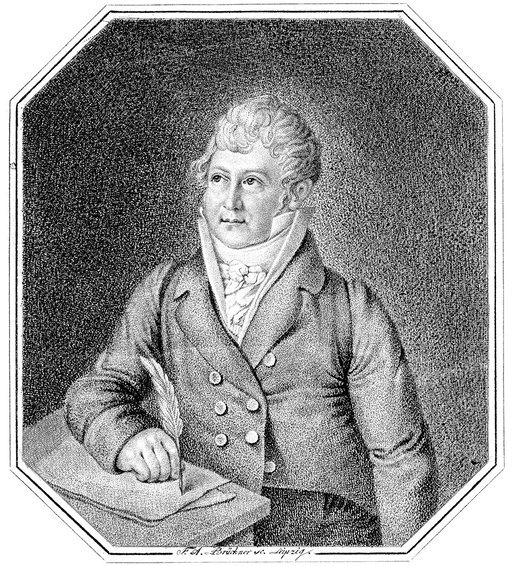
August Eberhard Müller (1767–1817) was a German composer, organist and flautist of the Classical period, born in Northeim and died in Weimar. In 1804 he succeeded Johann Adam Hiller as cantor of the Thomasschule in Leipzig, and in 1810 he became court Kapellmeister at Weimar, holding that post until his death. In 1796 he published a guide to playing Mozart's piano concertos, including the handling of ornaments. The siciliano takes its name from Sicily and was common in the Baroque era; it is usually in 6/8 or 12/8 time with dotted rhythms, and appears mainly in pastoral instrumental movements and arias. The present Siciliano names Müller as composer in the surviving score. Its date of composition, key, dedicatee, first performance and first publication are not documented. The score used here comes from the Mutopia Project; its source is a late nineteenth-century publication whose publisher and exact date are unidentified in that file, and that edition is in the public domain.
Where this comes from: https://www.mutopiaproject.org/cgibin/piece-info.cgi?id=208