About this piece
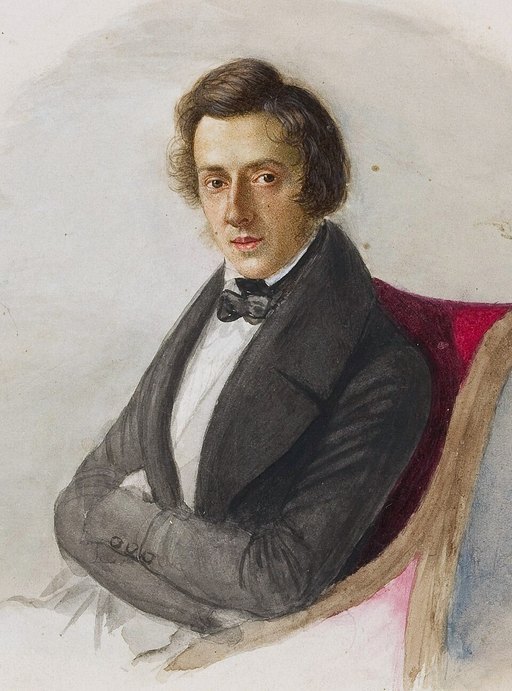
Frédéric Chopin (1810–1849) was a Polish composer and pianist of the Romantic era. He left Poland in 1830, settled in Paris, and never returned. His Op. 10 consists of twelve études, composed between about 1829 and 1832, published in 1833, and dedicated to the Hungarian pianist Franz Liszt. No. 12, the closing étude of the set, is in C minor, in 4/4 time, and dates from about 1831. In September 1831 Warsaw surrendered to Russian forces, ending the November Uprising; Chopin was then in Stuttgart, and his diary records his grief and anger on learning of the city's fall. The C minor étude is close in time to those events, but Chopin himself gave the work no title and left no written account of it. The name "Revolutionary" was attached to the piece later and does not come from the composer. The étude is built on continuous rapid sixteenth-note figuration in the left hand, against chords and octaves in the right.
Where this comes from: https://en.wikipedia.org/wiki/%C3%89tude_Op._10,_No._12_(Chopin)